
The Complete Guide to France
France doesn't reward the traveler who tries to see it all in one trip. It rewards the one who picks two or three regions and actually spends time in them. This guide covers what you need to know before you go — when to visit, how the country breaks down by region, how to move between them, and the practical details that trip people up.
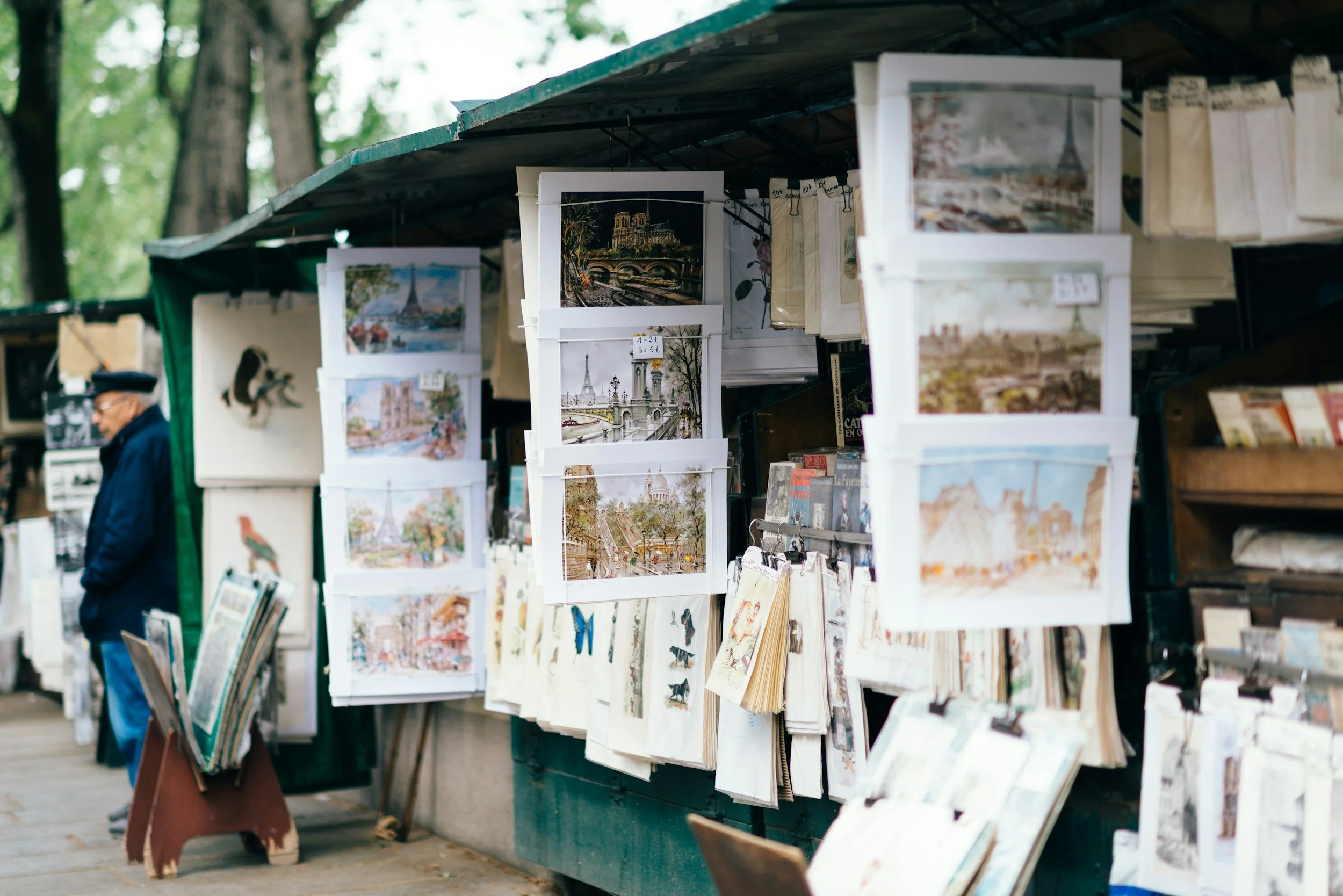
Best time to visit France
May, June, and September are the sweet spot — warm enough for the coast, cool enough for cities, and before or after the July–August crowds (and prices) hit their peak. August specifically is when much of France goes on holiday itself; many small restaurants and shops in Paris and other cities close for the month, sometimes for the whole thing. Winter works well if you're headed to the Alps or want Paris without the lines — hotel rates drop meaningfully and the major museums are noticeably calmer.
How many days do you need
A week covers two regions well — Paris plus one other. Ten to fourteen days lets you do three without rushing. Anything shorter than five days is better spent in a single region; trying to add a second city on a short trip usually means seeing both poorly rather than one properly.
Paris
Paris is not France — it's its own thing, and treating it as a launchpad rather than the whole trip will serve you better. Three to four days is enough for a first visit. The Marais and Saint-Germain-des-Prés reward slow wandering more than any single museum does; pick one major museum (the Louvre or the Musée d'Orsay, not both back to back) and give the rest of your time to neighborhoods, markets, and long meals.
The Loire Valley
Château country, an easy add-on from Paris (under two hours by train), and one of the best regions in the world to explore by bike — flat terrain, small roads, vineyards between stops. Chenonceau and Chambord are the famous châteaux; Azay-le-Rideau is smaller, quieter, and just as striking. Staying at a vineyard estate rather than a city hotel here is one of the better value upgrades available in the country.
Provence
Lavender fields in June and July, hilltop villages, and some of the country's best markets. Aix-en-Provence and the Luberon are the base camps most people use. Market days (usually Tuesday, Thursday, and Saturday in Aix) are worth building a morning around — go early and buy more than you think you'll eat.
The French Riviera (Côte d'Azur)
Nice, Cannes, Antibes, Saint-Tropez — glamour and beach clubs, but also quieter fishing-village charm if you go slightly off the main strip. The coastal walking path between Nice and Cap Ferrat is free and arguably a better way to see the coastline than any beach club chair.
Burgundy
Wine country without the crowds of Bordeaux, and increasingly where design-led hotels are opening in converted abbeys and estates. Beaune is the base — walkable, surrounded by some of the most storied vineyards in the world, and a good alternative to the Loire if wine is the priority over châteaux.
Alsace
On the German border, and it feels different from the rest of France entirely — half-timbered villages, a wine road, and a food culture leaning toward hearty over refined. Worth adding if you have more than ten days and want a genuinely different regional identity within the same trip.
France's climate: north vs south
Like Portugal, France really has two climates rather than one. The north — Paris, the Loire, Alsace — runs temperate and changeable, with real winters and warm but rarely scorching summers. The south — Provence, the Riviera — is closer to Mediterranean: hot, dry summers, mild winters, and a mistral wind that can pick up suddenly in Provence regardless of season. Planning a trip that spans both means packing for two different climates, not one, especially outside the summer months.
What to pack by season
Spring and autumn call for layers everywhere — mornings can be cool even when afternoons turn warm, especially in Paris and the Loire. Summer in Provence and the Riviera needs light clothing and sun protection; summer in Paris can still bring the occasional cool, rainy stretch, so a light jacket earns its space in the bag. Winter in the south stays mild; winter in the north and in the Alps (if you're adding a ski leg) requires real cold-weather gear.
Safety and etiquette
France is generally safe for visitors, with the usual big-city precautions around pickpocketing in crowded tourist areas — the Paris metro and major sights being the main spots to stay alert. Greeting shopkeepers with "bonjour" before asking anything, even in English, is a small habit that changes how you're received almost everywhere outside the most touristed corners of Paris.
Getting around France
The TGV high-speed rail network is the single best reason not to rent a car for a multi-region trip. Paris to Lyon is under two hours; Paris to the Riviera around five to six. Book tickets a few weeks out for the best fares — they're dynamically priced and climb closer to departure. Rent a car once you're inside a region (Provence, the Loire) rather than for city-to-city travel, since parking and navigating city centers by car is more hassle than it's worth.
Food and drink
Regional identity matters more in French food than a single national cuisine does. Provence leans Mediterranean — olive oil, herbs, tomatoes. Burgundy and the Loire are built around wine pairing as much as the food itself. Alsace is heartier, closer to German cooking, with choucroute and tarte flambée. Cheese and bread are non-negotiable everywhere; a proper fromagerie visit is worth the time it takes to get a recommendation from a market vendor rather than picking blind. Wine is not an afterthought here — even a modest carafe at a neighborhood bistro tends to be better than expected, and asking your server for a recommendation usually beats picking from the list yourself.
Money and daily costs
France runs pricier than much of Southern and Eastern Europe, though the gap narrows considerably outside Paris and the Riviera. As a rough guide: budget travelers can manage on €70–90 a day; a mid-range trip with sit-down meals and three-star hotels runs €140–200 a day; luxury travel, including château stays and higher-end dining, starts around €300 and climbs from there. A service charge is usually already built into restaurant bills — tipping isn't expected the way it is in the US, though rounding up is appreciated.
Language and communication
You don't need to speak French, but a few basic phrases — "bonjour," "merci," "s'il vous plaît" — go a long way, especially outside Paris, where the reputation for brusqueness toward English-only speakers tends to soften considerably once you've made a small effort first.
Is France good for a first-time visit to Europe?
Yes, with a caveat: pick a manageable scope. France's rail network and clear regional identities make it easy to build a trip that doesn't require a car, but the country is large enough that "seeing France" in five days usually means seeing very little of it well.
FAQ
Is France expensive? Paris and the Riviera are pricier than most of Europe; the Loire, Burgundy, and rural Provence are noticeably more affordable.
Do I need to speak French? No, but a few basic phrases go a long way, especially outside Paris.
How many days do I need? A week covers two regions well. Ten to fourteen days lets you do three without rushing.
Is August a bad time to visit? For cities, somewhat — many small restaurants and shops close for the month. For the Riviera and Provence, it's peak season and the busiest, most expensive window of the year.
Do I need a car in France? Not for a multi-region trip built around Paris, the Loire, Burgundy, or the Riviera — the train network covers all of them well. A car helps once you're inside a single region.
What's the biggest mistake first-time visitors make? Trying to cover too many regions in too few days. Two regions done properly beats four done in passing.
