
The Best of Spain: Top Experiences
Spain has no shortage of landmark checklists. This is the list our Persocal team actually pulls from when a client asks what shouldn't be missed — the experiences that come up again and again, not just the photos everyone already knows.
A pintxos crawl in San Sebastián's Old Town. The closest thing Spain has to a structured food crawl — small plates displayed on the bar, a glass of txakoli, one or two bites, then on to the next place. Three or four bars in an evening is normal, not excessive.
The Alhambra in Granada, at sunset. The Nasrid Palaces require timed tickets booked well in advance, but the Generalife gardens and the fortress walls at golden hour, with the Sierra Nevada mountains behind them, justify the planning on their own.
A tapas crawl in Seville's Triana or Alfalfa neighborhoods. Less structured than San Sebastián's pintxos scene, more about standing at a bar with a small glass of sherry and letting the evening unfold without much of a plan.
Flamenco in a small, unglamorous venue. The big tablaos aimed at tour groups are fine, but a smaller, local peña — a flamenco club, often unmarked — delivers something rawer and more genuinely felt, worth asking a local for a recommendation rather than booking the first listed option.
Driving the pueblos blancos of Andalusia. The white hill towns scattered through Cádiz and Málaga provinces — Ronda, Grazalema, Zahara de la Sierra — reward a rental car and no fixed itinerary more than almost anywhere else in the country.
A market morning, anywhere. Madrid's Mercado San Miguel is the famous one, but a neighborhood market away from the tourist center — Barcelona's Mercat de Sant Antoni, Valencia's Mercado Central — shows a more honest version of how people actually shop and eat.
Watching the sunset over Ibiza's west coast, away from the clubs. The island's quieter side — Cala Comte, Es Vedrà views from Cala d'Hort — offers the famous Ibiza sunset without the beach-club price tag or crowd.
A game of padel with locals. Spain's second-most popular racquet sport after football-adjacent obsessions, and increasingly easy for visitors to book a court and find a casual game through hotel concierges or local clubs, especially in Madrid and along the Costa del Sol.
Walking a stretch of the Camino de Santiago. You don't need to walk the full 800 kilometers — even a two- or three-day stretch through Galicia's countryside gives a real sense of the pilgrimage route's particular, unhurried rhythm.
Córdoba's Mezquita at opening time. The Great Mosque-Cathedral's forest of red-and-white striped arches is genuinely disorienting in the best way, and arriving right at opening avoids both the tour groups and the midday heat.
A rooftop terrace in Madrid, after 10pm. Spanish dinner culture runs late by most countries' standards, and a rooftop bar well after dark, when the day's heat has finally broken, is one of the more reliably good ways to spend a Madrid evening.
Sunrise over Valencia's Ciutat de les Arts i les Ciències. Santiago Calatrava's futuristic complex looks striking at any hour, but early morning light on the white structures and reflecting pools, before the crowds and the heat arrive, is when it photographs and feels best.
A cava tasting in the Penedès region near Barcelona. Spain's answer to Champagne, made in the same traditional method, at a fraction of the price — a short train ride from Barcelona puts you at working cava houses that welcome visitors without the formality of their French counterparts.
How to combine these into a day
A strong single day looks something like: a market morning, an afternoon built around one major sight timed to avoid both crowds and heat, and an evening spent moving between two or three small bars rather than committing to one restaurant. The pattern holds across regions — mornings for markets and popular sights, afternoons for something slower, evenings for food that keeps moving.
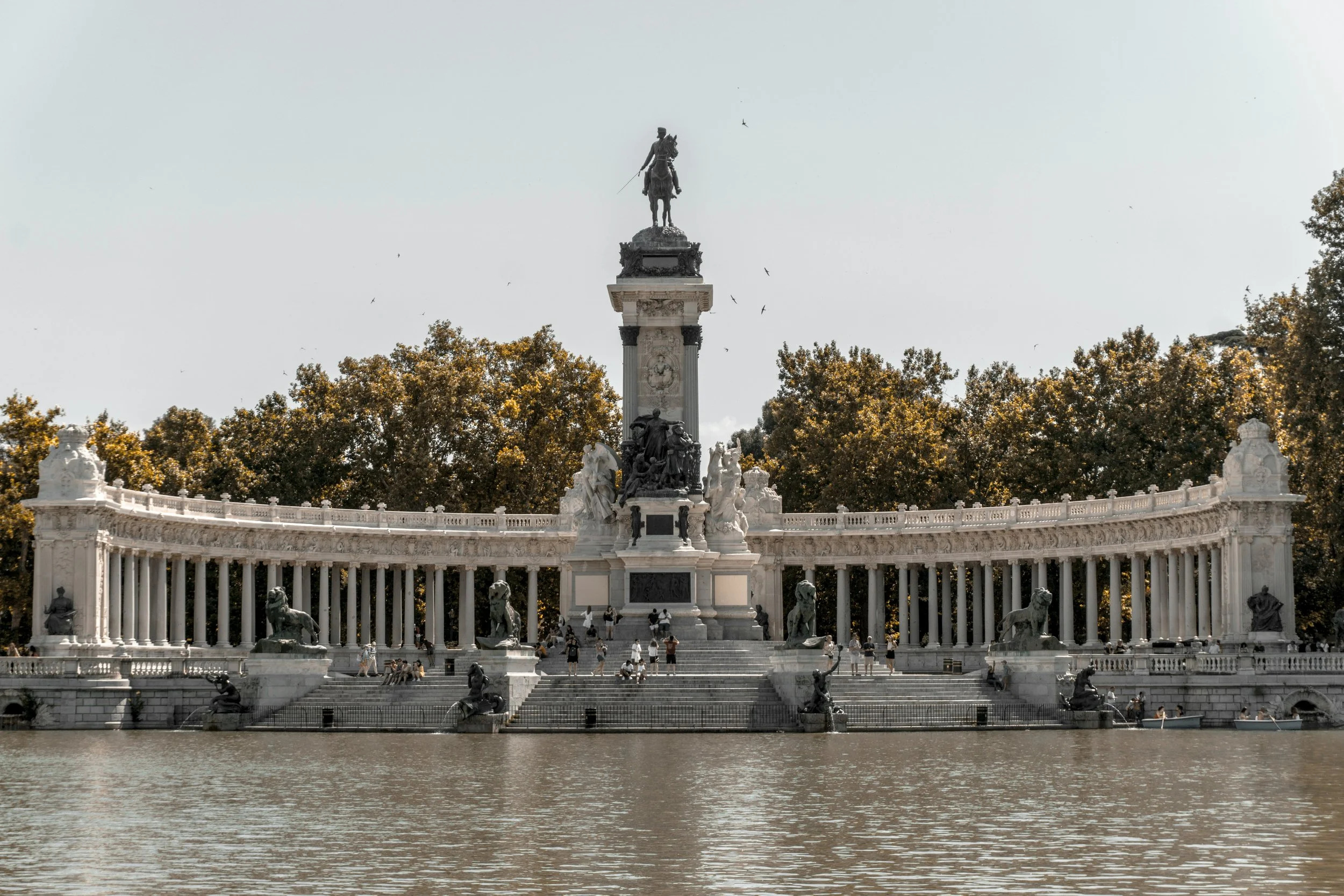
An evening walking Madrid's Retiro Park. Less a single highlight than a ritual locals actually use — the park fills with families, joggers, and rowers on the lake in the hour or two before dinner, a good window to see Madrid living its own life rather than performing for visitors.
FAQ
Do I need to book Alhambra tickets in advance? Yes, often weeks ahead in peak season — the Nasrid Palaces specifically sell out fast and require a timed entry slot.
Is a tapas crawl actually a full dinner? Done properly across three or four stops, yes — it's designed as a full evening's meal, not a snack before a "real" dinner.
Is Ibiza only for nightlife? No — the island has a genuinely quiet, boutique side away from the main clubs, particularly on the west coast.
