
The Complete Guide to China
China is roughly the size of the continental United States, with a food, dialect, and landscape range to match — treating it like a single trip you can "do" in a week is the single most common planning mistake we see. This guide breaks down the regions worth actually building a trip around, the logistics that trip up first-time visitors, and how much you can realistically cover.

Best time to visit China
April, May, September, and October are the strongest months across most of the country — mild temperatures, manageable humidity, and outside the two big domestic holiday periods (Chinese New Year, usually late January to mid-February, and Golden Week in early October) when domestic travel surges and prices spike nationwide. Summer brings serious heat and humidity to much of the east and south; winter is genuinely cold in Beijing and the north, milder in the south around Guangzhou and Hong Kong's neighboring regions.

Beijing
The political and historical capital — the Forbidden City, the Great Wall sections at Mutianyu or Jinshanling, the Temple of Heaven. Plan on four to five days minimum; the Forbidden City alone rewards a full day, and a proper Great Wall visit, done right, eats most of another. Beijing's scale and traffic mean fewer sights done thoroughly beats a rushed checklist.
Shanghai
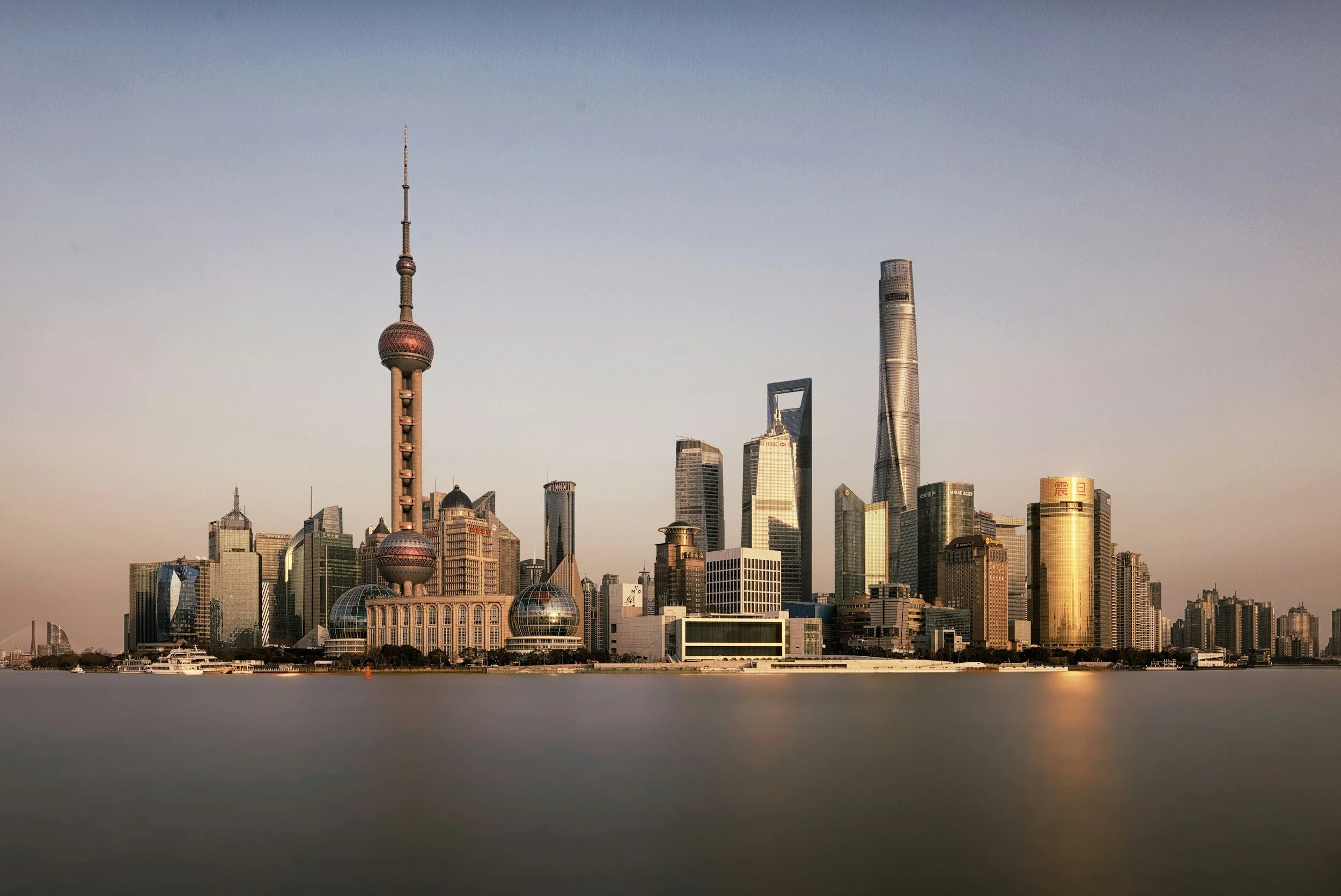
China's most modern, internationally-facing city, and a useful counterpoint to Beijing's history-heavy pace — the Bund's skyline, the French Concession's tree-lined streets, and a food scene that draws from across the country. Three to four days covers it well, and it pairs naturally with a short trip out to the water towns of Suzhou or Wuzhen, an easy train ride away.
Xi'an
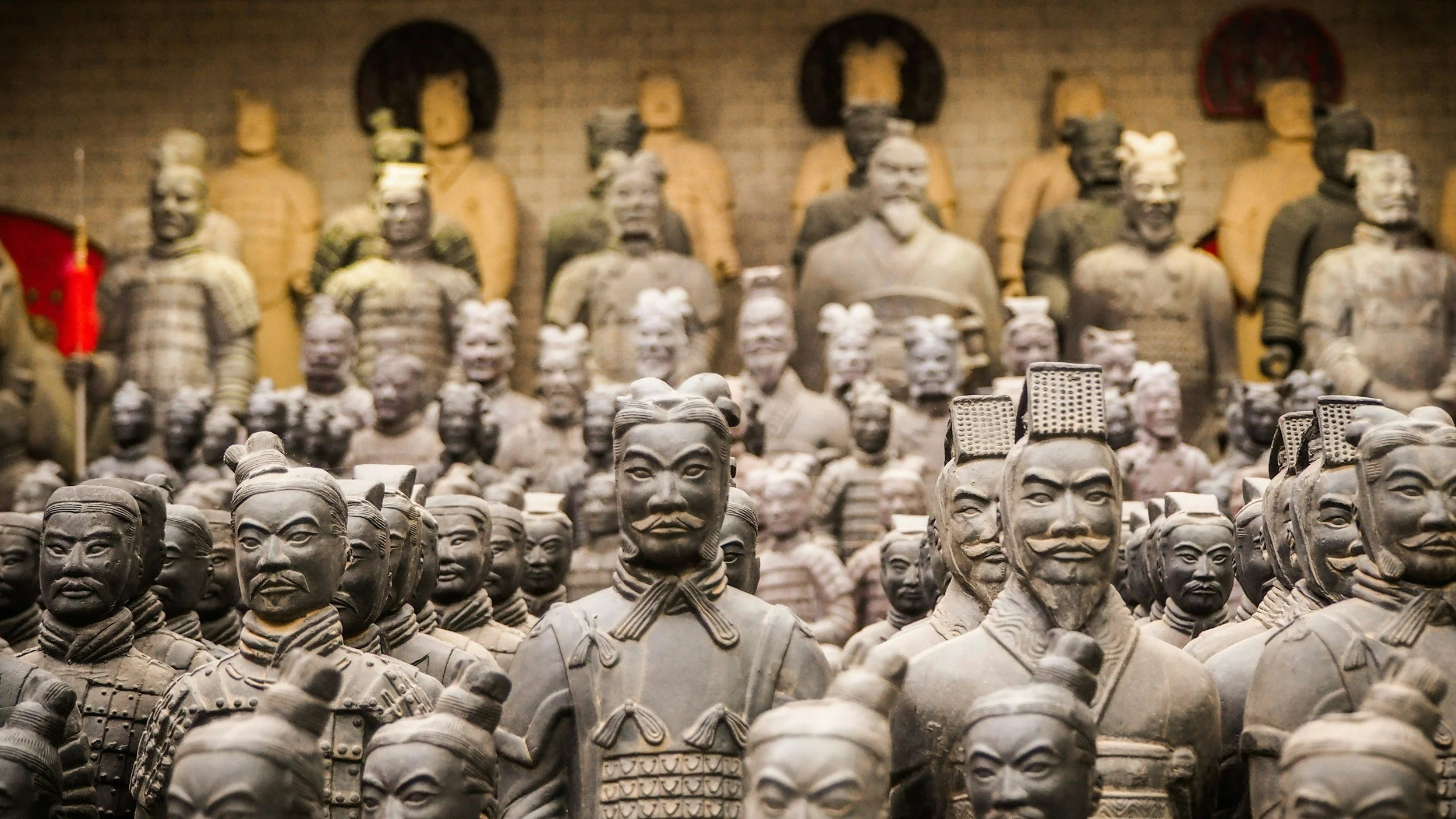
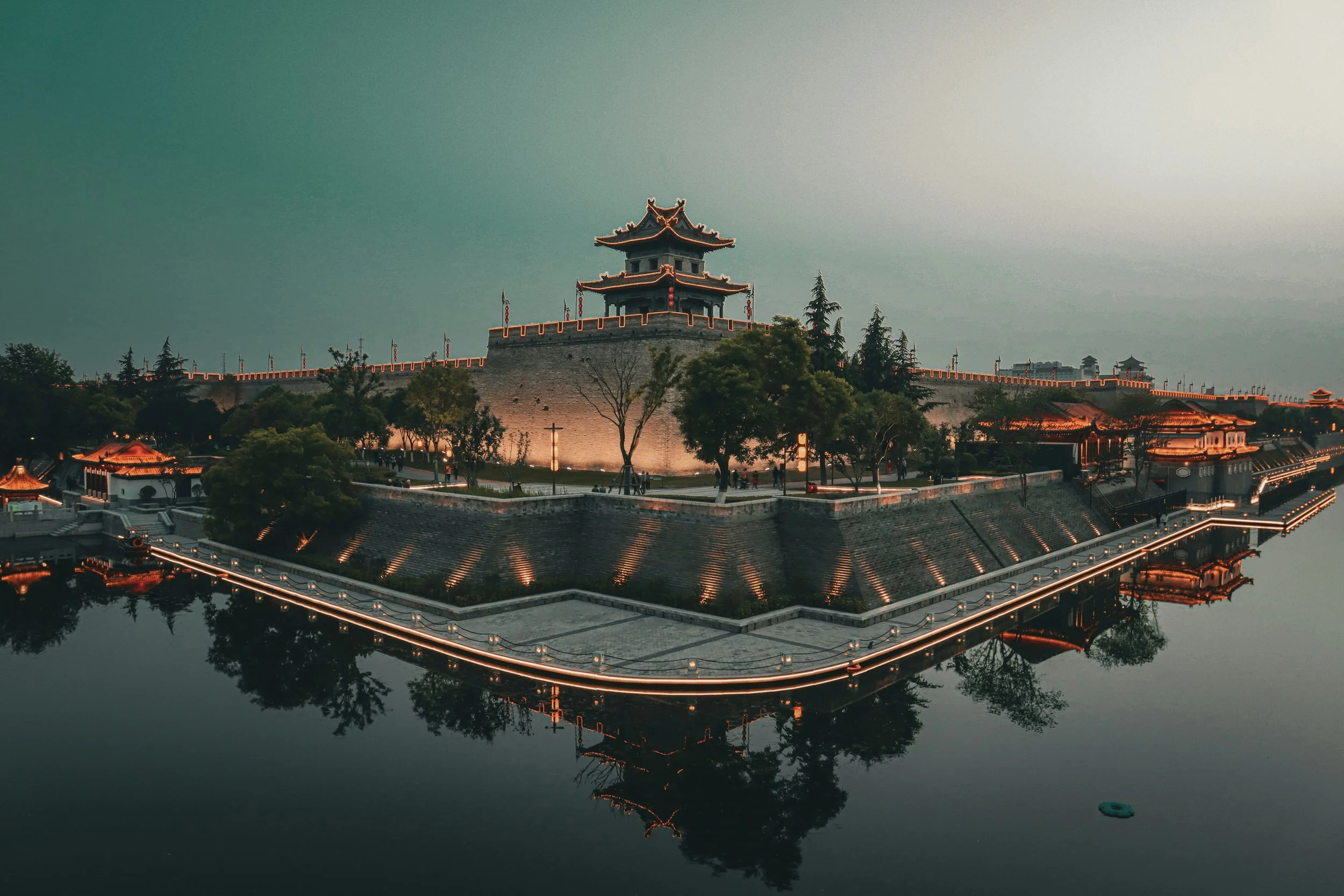
Home to the Terracotta Army, one of the genuine must-see sights in the country and reason enough on its own to route through the city. The ancient city walls, intact and walkable or bikeable in full, plus a Muslim Quarter food scene that ranks among the best street food in China, make Xi'an worth two to three days beyond the Terracotta Army day trip itself.
Chengdu

The base for seeing giant pandas up close at one of several research and conservation centers, and the heart of Sichuan cuisine — properly, aggressively spicy food that bears little resemblance to what most people outside China call "Chinese food." A relaxed, slower-paced city compared to Beijing or Shanghai, worth three days minimum.
Guilin and Yangshuo
The karst limestone landscape here — dramatic, jagged peaks rising out of rice paddies and the Li River — looks almost unreal in person and photographs even better. A Li River cruise from Guilin to Yangshuo is the classic route; Yangshuo itself is small enough to explore by bike, with countryside worth a full extra day beyond the boat trip.

Getting around China
The high-speed rail network is extensive, fast, and one of the best reasons not to fly between major cities — Beijing to Xi'an runs under six hours, Shanghai to Suzhou under 30 minutes. Book tickets through a reputable app in advance, especially around the two big holiday periods, when trains sell out fast. Domestic flights make sense for longer hops, like Beijing to Chengdu or Guilin.
Visa and entry requirements
Most visitors need a tourist visa arranged in advance, though visa-free transit policies of up to 144 hours exist for many nationalities passing through specific major cities — check current rules carefully, since they vary by nationality and entry point and change periodically. This is genuinely one of the more complex entry processes among major travel destinations, and it's worth starting the paperwork well ahead of your trip.
How many days do you need
Ten to fourteen days covers two or three regions well without excessive time lost to transit — Beijing plus Xi'an, or Shanghai plus Chengdu, are both natural pairings that balance history, food, and pace. Under a week limits you realistically to one city and its immediate surroundings; over two weeks starts to open up a third or fourth region, like Guilin or Yunnan, without the trip feeling rushed.
Money and daily costs
China runs more affordable than most of Western Europe for comparable quality, though major cities like Shanghai and Beijing have climbed considerably in recent years. As a rough guide: budget travelers manage on $50–70 a day; a mid-range trip with sit-down meals and good hotels runs $100–150 a day; luxury travel starts around $250 and climbs from there. One practical note: the country runs on mobile payment apps (Alipay, WeChat Pay) far more than cash or even cards — setting one up before you arrive saves real friction once you're there.
Language and communication
Mandarin is the national language, and English fluency drops off fast outside major hotels, airports, and tourist sites — even in Beijing and Shanghai. A translation app with offline capability is close to essential, not a nice-to-have. Many Western apps and sites (Google, WhatsApp, Instagram) are blocked; a VPN set up before arrival, not after, is standard practice for most visitors.
Yunnan and the southwest
Often overlooked in favor of the bigger-name cities, Yunnan province offers a genuinely different China — Lijiang's old town, Dali's lakeside setting, and Shangri-La's Tibetan-influenced culture and altitude. It requires more time to reach than the eastern circuit, but rewards travelers on a second or third trip who want something further off the standard route.
Food beyond the regional basics
China's culinary range by region surprises most first-time visitors — Sichuan's aggressive spice, Cantonese cooking's emphasis on freshness and dim sum, Beijing's roast duck tradition, and Xi'an's Silk Road-influenced street food are genuinely distinct cuisines, not variations on one national style. Ordering by pointing at another table's dish or using a translation app's camera feature to read a menu are both completely normal, expected practices, not a sign of failure to prepare.
Etiquette and practical notes
Tipping isn't customary in mainland China the way it is in the US, and attempting it can occasionally cause confusion rather than appreciation. Queuing norms vary by region and can feel more assertive than Western visitors expect, particularly at train stations and popular sites — this is generally not personal, just a different cultural default around personal space in crowds.
FAQ
Is China safe for tourists? Yes, generally very safe by international standards, with the usual common-sense precautions around belongings in crowded tourist areas.
How many days do I need? Ten to fourteen days covers two or three regions well — trying to add more usually means too much time in transit and too little anywhere else.
Do I need to speak Mandarin? No, but a translation app is genuinely necessary outside major hotels and tourist sites, more so than in most other major destinations.
What's the biggest mistake first-time visitors make? Underestimating the country's size and trying to cover too many regions, or skipping the visa and connectivity prep (VPN, payment apps) that make the trip run smoothly once you land.
