Getting Lost on Purpose: A China Journal
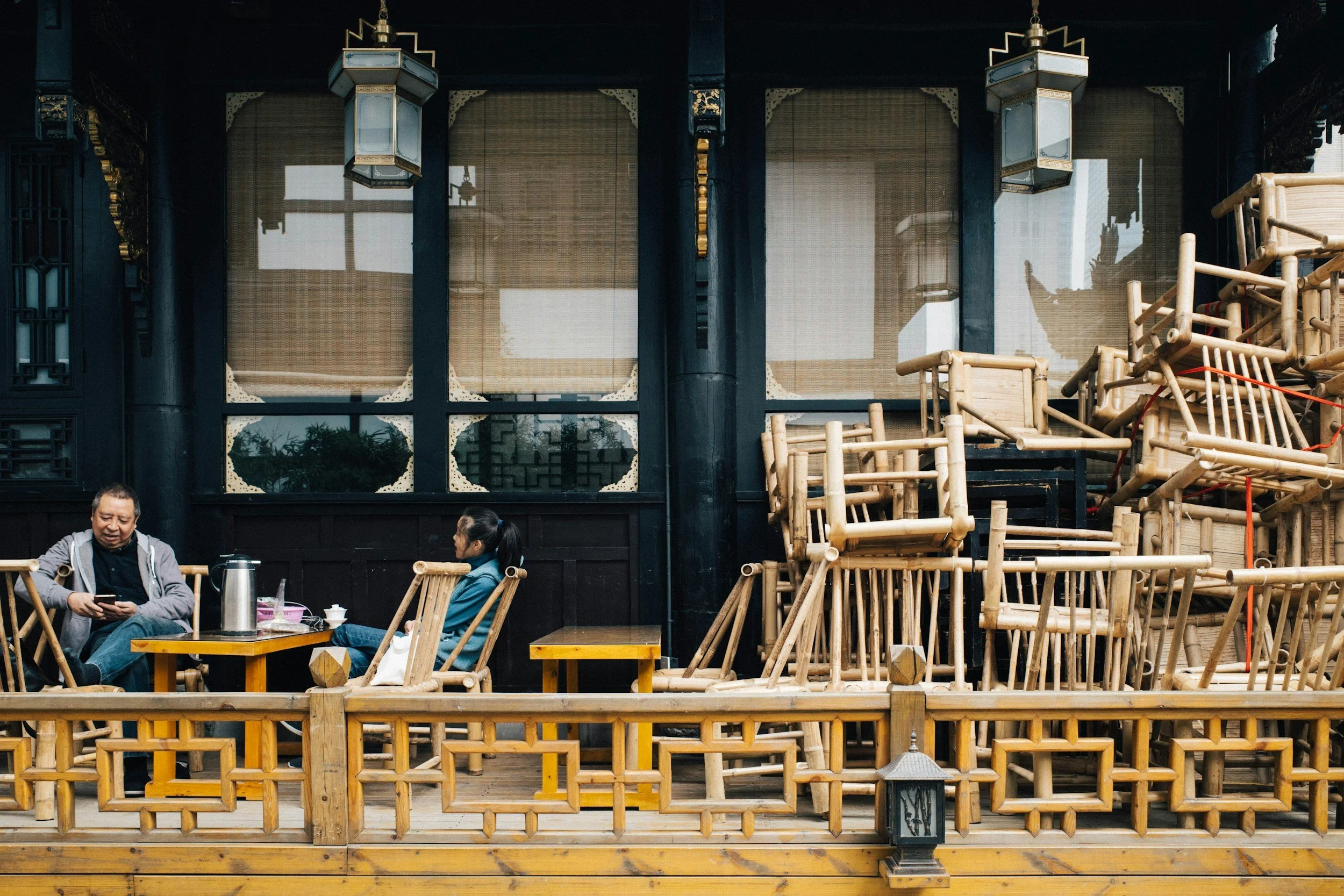
I'd read the metro map wrong, boarded going the opposite direction from the teahouse I was aiming for, and didn't notice until four stops in. Rather than correct it, I stayed on.
I'd been in Chengdu three days by that point, long enough to have a rough mental map of the tourist core and a growing itch to see something outside it. The teahouse I'd been aiming for had come recommended by three separate people, which was exactly the kind of pressure that made getting on the wrong train feel, in the moment, like a reasonable escape hatch.
This wasn't entirely reckless — Chengdu's metro system is clean, well signed even for someone reading Mandarin poorly, and cheap enough that a wrong turn costs almost nothing. Still, getting off at a random stop in a residential district with no plan, no particular reason to be there, and a phone signal I wasn't fully trusting for navigation felt like a bigger decision than it probably was.
A woman getting off at the same stop gave me a look that was less suspicion than mild curiosity, the kind reserved for someone clearly outside the normal pattern of that particular platform at that particular hour. I followed the smell of food more than any actual plan.
The neighborhood turned out to be almost entirely local — no English signage, no other visibly foreign faces, just a wet market spilling out onto the sidewalk and a row of small restaurants with handwritten menus taped to the window. I picked one based entirely on how busy it looked, on the theory that a full restaurant with no picture menu was a good sign rather than a barrier. Ordering involved pointing at another table's food and holding up two fingers. It worked. The dish, something dark and numbing with Sichuan peppercorns that made my lips buzz for a solid ten minutes afterward, remains one of the best things I ate that entire trip, and I never learned its name.
The restaurant itself was maybe six tables, steam fogging the front window, a woman running the kitchen and what looked like her son handling the floor with the harried efficiency of someone who'd rather be doing anything else but was doing this competently anyway. Nobody made a fuss over the foreigner who'd clearly wandered in by accident. If anything, the lack of fuss was its own kind of welcome.
An older man at the next table, noticing my struggle with chopsticks and the sheer volume of chili oil, laughed — not unkindly — and mimed a technique adjustment that actually helped. We didn't share a language beyond a few gestures and his clear amusement at my spice tolerance, but he refilled my tea twice without asking, the way you'd do for a neighbor rather than a stranger who'd wandered in off a wrong metro stop.
I spent maybe two hours in that neighborhood, walked it end to end twice, bought a bag of unidentified dried fruit from a stall because the woman running it seemed personally invested in me trying it, and eventually found my way back to the metro using a mix of pointing at my phone map and a teenager's patient, amused English. None of it was on any itinerary. None of it would show up if you searched "best things to do in Chengdu."
I've thought about that afternoon more than the pandas, more than the actual teahouse I'd originally been heading to, more than most of the planned parts of the trip combined. There's a specific kind of finding that only happens when you stop looking for something specific — a wrong train, an unlabeled dish, a stranger's patience with your bad chopstick technique, none of it plannable, all of it the reason the trip still comes up in conversation more than a year later.