
The Complete Guide to Spain
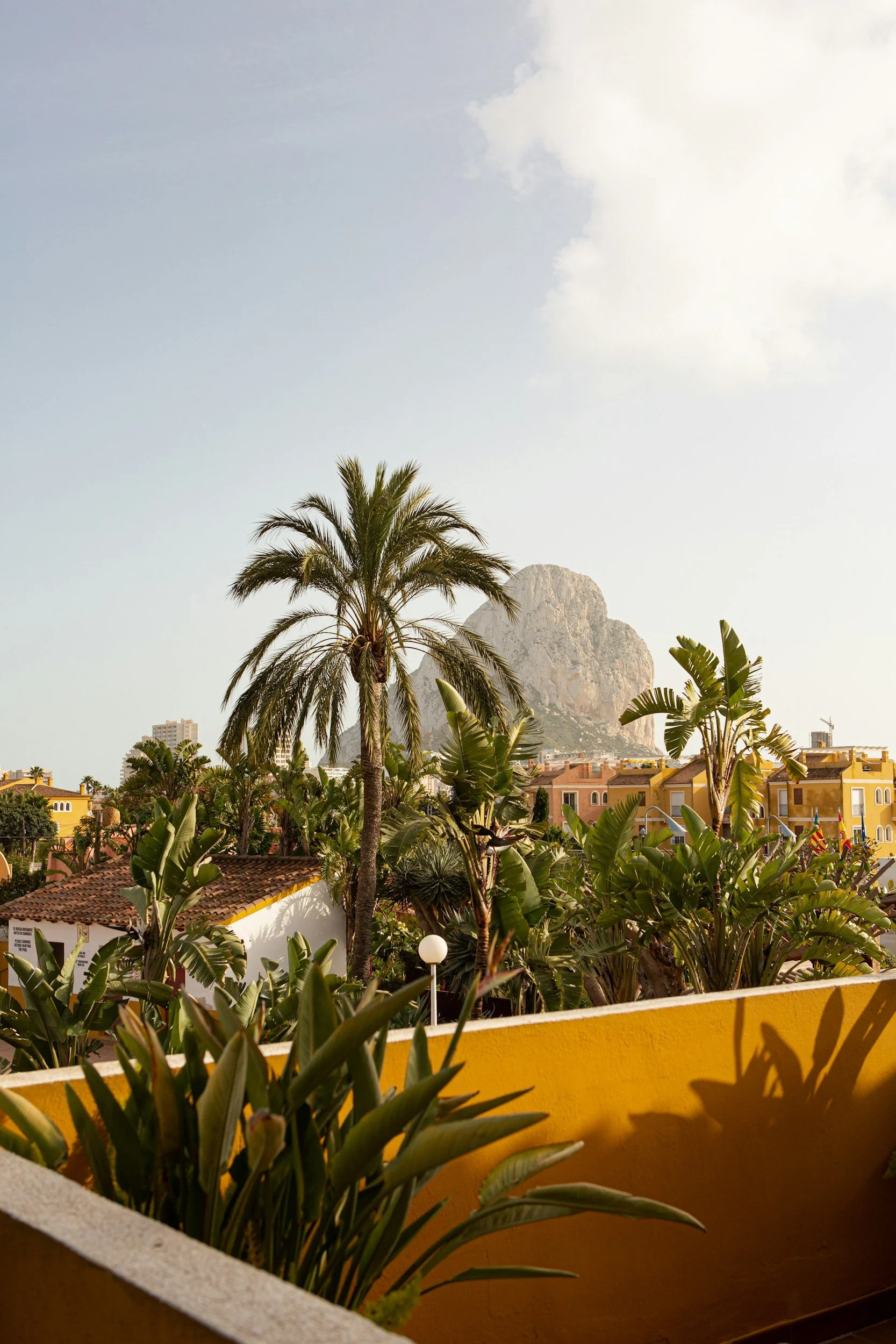
Spain resists the single-trip treatment more than most countries its size — Madrid, Barcelona, Andalusia, and the Basque Country each have their own food, architecture, and pace, closer to distinct regional identities than variations on one national character. This is the guide our Persocal team hands anyone building a first Spain trip, built around the questions that actually come up, not a country-wide highlight reel.
Best time to visit Spain
April, May, June, and late September through October are the strongest windows — warm enough for outdoor life, before or after the punishing interior heat of July and August, when Madrid and Seville regularly hit the high 30s Celsius (upper 90s Fahrenheit) and locals adjust their entire schedule around it. Coastal regions and the Balearic Islands handle summer heat better than the interior, which is part of why Spanish beach season and Spanish city-break season are really two different trips.
How many days do you need
A week covers two regions well — Madrid or Barcelona plus one other. Ten to fourteen days lets you do three without rushing, which is roughly the minimum for combining a major city, Andalusia, and any coastal time. Spain's size means fewer regions done properly consistently beats more regions rushed.
Madrid
Spain's capital and its most centrally located major city, which makes it a natural hub for day trips to Toledo and Segovia. The Prado and Reina Sofía cover more serious art in a single afternoon than most European capitals manage in a week, but Madrid's real strength is its rhythm — late lunches, later dinners, and a tapas culture built around moving between several small bars rather than settling into one restaurant for the night.
Barcelona
Gaudí's architecture (the Sagrada Família, Park Güell, Casa Batlló) draws the crowds, and it's worth the hype, but Barcelona's neighborhoods do most of the actual work of a good trip — the Gothic Quarter's narrow medieval streets, Gràcia's slower, more local pace, and Barceloneta for beach access without leaving the city. Book Sagrada Família tickets well in advance; it routinely sells out days ahead in peak season.
Andalusia
Seville, Granada, and Córdoba form the south's core triangle, each built around a single unmissable site — Seville's cathedral and Real Alcázar, Granada's Alhambra, Córdoba's Mezquita — but connected by a broader cultural thread of flamenco, Moorish architecture, and a slower, hotter pace than the north. The white hill towns (pueblos blancos) scattered through the region reward a rental car and no fixed itinerary more than almost anywhere else in Spain.
The Basque Country
San Sebastián and Bilbao, in the north, feel distinct from the rest of Spain entirely — greener, cooler, with their own language (Euskera) and arguably the country's best food scene, built around pintxos rather than tapas. San Sebastián's La Concha beach sits inside the city itself, a rare combination of serious urban food culture and genuine beach town in one place.
The Balearic and Canary Islands
Mallorca, Ibiza, and Menorca each have distinct reputations — Mallorca for a mix of resort towns and quieter mountain villages, Ibiza for nightlife alongside a surprisingly strong quieter, boutique side away from the clubs, Menorca for the calmest, least developed option of the three. The Canary Islands, further south and technically part of Spain despite sitting off the coast of Africa, offer a genuine winter-sun option when the mainland turns cold.
Getting around Spain
The AVE high-speed rail network is one of the best in Europe and the main reason not to rent a car for a multi-city trip — Madrid to Barcelona runs under three hours, Madrid to Seville around two and a half. Rent a car specifically for Andalusia's white villages or a Balearic island visit, where public transport thins out considerably.
Food and drink
Spanish food is regional to a degree that surprises first-time visitors expecting one national cuisine. Paella is Valencian, not a generic Spanish dish, and ordering it in Madrid is a bit like ordering deep-dish pizza in Miami. Tapas culture in the south and center is built around bar-hopping and small plates; the Basque Country's pintxos are similar in spirit but distinct in execution, usually displayed on the bar for you to point at rather than ordered off a menu. Wine deserves attention beyond sangria, which is mostly a tourist-facing drink — Rioja and Ribera del Duero are the serious reds, and a cold glass of txakoli, a slightly sparkling Basque white, is one of the better pairings with a pintxos crawl.
Money and daily costs
Spain runs more affordable than France, Italy, or the UK for comparable quality. As a rough guide: budget travelers manage on €60–80 a day; a mid-range trip with sit-down meals and three-star hotels runs €110–160 a day; luxury travel, including higher-end dining and boutique hotels, starts around €250 and climbs from there. Tapas culture actually helps budget travel — a few small plates and a glass of wine at a bar often costs less and delivers more variety than a full sit-down restaurant meal.
Language and communication
Spanish is spoken nationwide, but Catalan in Barcelona, Basque (Euskera) in the north, and Galician in the northwest are all genuinely distinct regional languages, not dialects — street signs and menus in Barcelona are frequently in Catalan first. A few basic Spanish phrases go further outside major tourist areas, where English fluency drops noticeably compared to Madrid or Barcelona's city center.
Safety and etiquette
Spain is generally very safe for visitors, with the usual big-city precautions around pickpocketing in crowded areas — Madrid's Puerta del Sol and Barcelona's Las Ramblas being the most commonly flagged spots. Spanish dinner culture runs later than most visitors expect; restaurants often don't open for dinner before 8pm, and reservations before 9pm can feel oddly empty compared to the same table an hour later.
Connectivity and practical logistics
eSIMs work well and are widely supported, making them the easiest way to get data on arrival without hunting for a physical SIM counter. Spain's siesta tradition has faded considerably in major cities, but smaller towns and much of Andalusia still see shops close for a few hours in early-to-mid afternoon — worth checking before planning a shopping stop outside the big cities.
Is Spain good for a first-time visit to Europe?
Yes, and it's a particularly strong choice for anyone who wants a mix of major cities, distinct regional food culture, and beach time without needing to cross into a second country to get all three.
FAQ
Is Spain expensive? Generally more affordable than France, Italy, or the UK for comparable quality, particularly for food and mid-range accommodation.
Do I need to speak Spanish? No, but it helps more outside Madrid and Barcelona's tourist centers than within them.
How many days do I need? A week covers two regions well. Ten to fourteen days lets you do three without rushing.
Should I rent a car? Not for a Madrid–Barcelona–Andalusia city-focused trip — the AVE covers that well. A car helps for Andalusia's white villages or exploring a Balearic island beyond its main town.
What's the biggest mistake first-time visitors make? Treating Spain as one culture rather than several — expecting Barcelona's pace and food in Andalusia, or Madrid's rhythm in the Basque Country, tends to produce a flatter trip than planning around each region's own character.
