The Complete Guide to Portugal
Portugal is a small country in southwestern Europe with four distinct regions worth building a trip around: Lisbon, Porto and the Douro Valley, the Algarve coast, and — if you have the time — the Alentejo interior. It's compact enough to cover two or three of those properly in seven to ten days, which is more than most first-time visitors realize.
Most people land in Lisbon, add Porto, and call the trip done. That's a fine trip. It's just not the whole country, and this guide covers what you need to know to decide how much of it you actually want to see.
Best time to visit Portugal
May, June, and late September are the strongest months to visit — warm enough to swim, cool enough to actually enjoy a hike or a long outdoor lunch without wilting. July and August bring the biggest crowds and highest prices, especially along the Algarve coast, where rental traffic backs up and restaurant tables get scarce without a reservation. Winter (November through February) is mild by European standards, rarely dropping below freezing in Lisbon or Porto, and is genuinely underrated for a city-focused trip — you'll get restaurants without a wait and hotel rates well below peak season. If surfing is the priority, autumn and winter actually bring bigger, more consistent swells to the Algarve and the west coast near Ericeira, at the cost of colder water and shorter days.
How many days do you need in Portugal
A week is enough to cover Lisbon, Porto, and the Douro Valley without rushing. Ten days lets you add the Algarve. Two weeks lets you slow the pace down entirely, add the Alentejo, and stop treating it like a checklist. If you only have four or five days, pick one region — Lisbon and a Sintra day trip, or Porto and the Douro — rather than splitting a short trip across the whole country. Portugal rewards fewer stops done properly over a longer list rushed.
Lisbon
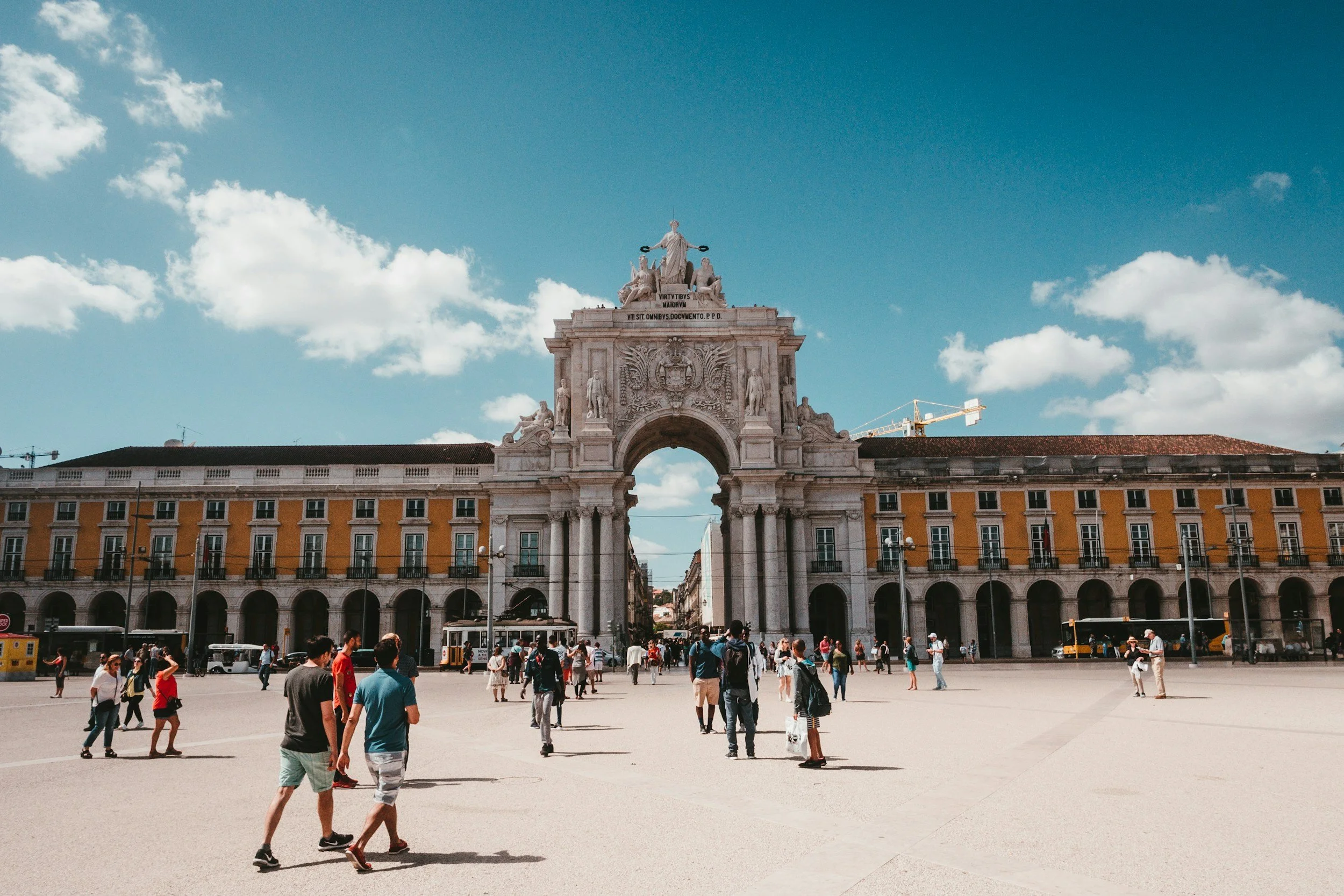
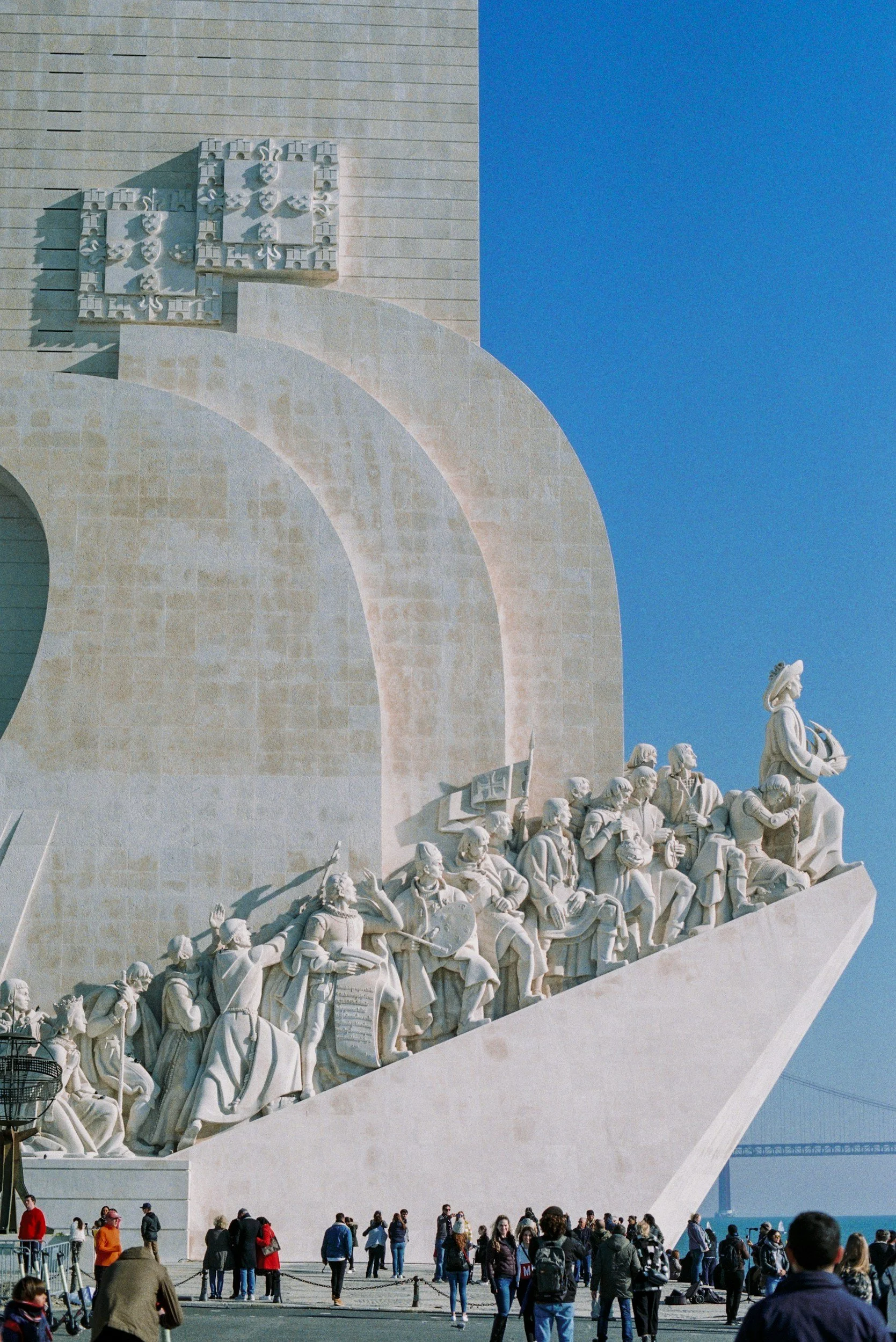
Three days covers Lisbon well unless you're there specifically for the food or nightlife scene, in which case add one or two more. Alfama is the neighborhood for old streets, viewpoints, and fado bars — it's steep, genuinely disorienting in a good way, and best explored without much of a plan. Príncipe Real and the surrounding Bairro Alto area are where the newer restaurant, natural wine, and bar scene has landed, and they're a useful contrast to Alfama's older character. Belém, a short tram or taxi ride from the center, is worth a half-day for the monastery and the original pastel de nata bakery — go early, both for the light and to avoid the queue that forms by mid-morning. Sintra, 40 minutes by train, is worth a day trip for its palaces, but arrive at opening time; by mid-morning the queues at the main sites stretch well past an hour, and the town itself gets uncomfortably crowded by early afternoon.
Porto and the Douro Valley
Porto is smaller, cheaper, and arguably more photogenic than Lisbon. The port wine cellars in Vila Nova de Gaia, across the river, are worth an afternoon — most offer a short tour and tasting for a modest fee, and it's worth comparing two or three rather than settling for the first one you pass. But most of what makes Porto worth visiting is just walking it — the riverfront, the Ribeira district's tightly packed buildings, the view from the Dom Luís I Bridge at sunset. From Porto, the Douro Valley is about an hour and a half by train and looks unlike anywhere else in the country: terraced vineyards stacked up steep hillsides along the river, some of them centuries old. Most visitors treat it as a day trip; staying one or two nights at a quinta — a working wine estate that takes guests — is one of the better value upgrades available anywhere in Portugal, and consistently the part of a trip people wish they'd given more time.
The Algarve
The central Algarve — Albufeira, Lagos — is where the crowds concentrate in summer, and where most of the big resort development has happened over the past few decades. The western Algarve, around Sagres and up toward Aljezur, has similar cliffs and coves with far fewer people, plus some of the strongest and most consistent surf breaks in Europe. The Atlantic here stays cold even in summer, so a wetsuit is worth packing regardless of season. If beach time is the priority over surfing or nightlife, the coastline between Lagos and Sagres — Praia da Dona Ana, Praia do Camilo — offers the dramatic cliff-and-cove scenery the Algarve is known for with meaningfully smaller crowds than the postcard beaches further east.
The Alentejo interior
Often skipped, which is part of its appeal. Rolling cork-oak countryside, whitewashed hill towns, and some of the country's best and least-known food and wine. Évora, a walled town about ninety minutes from Lisbon, is the easiest entry point — a compact historic center, a well-preserved Roman temple, and a wine region that produces excellent, still-affordable bottles. It's a strong add if you have more than ten days and want a slower, quieter contrast to the coast.
Getting around Portugal
Trains connect Lisbon, Porto, and Coimbra reliably and cheaply — book a few days ahead for the better fares, though prices rarely spike the way French or Italian high-speed rail does. Outside those cities, a rental car is close to essential; roads are well maintained, highway tolls are handled automatically through the rental company (make sure this is set up at pickup, since unpaid tolls can result in a fine mailed after you've left), and driving is one of the more enjoyable ways to see the country rather than a necessary evil. Domestic flights connect Lisbon and Porto to Faro in the Algarve in under an hour and are worth considering if you're short on time.
Food and drink
Portuguese food is built around seafood, bread, and simple preparation done well rather than complexity. Bacalhau (salt cod) shows up in more forms than any visitor expects — reportedly over 365 recognized preparations, one for every day of the year, though nobody's actually counted. Francesinha, a heavy sandwich stacked with meats and covered in melted cheese and a beer-based sauce, is a Porto specialty and not for the faint of appetite. Wine deserves real attention beyond port: vinho verde, a young, slightly sparkling white from the north, is the best hot-weather pairing in the country, and the still wines coming out of the Douro and Alentejo have improved dramatically in quality over the past two decades without a corresponding jump in price. Coffee culture runs closer to Italy than to the rest of Northern Europe — a quick espresso (a "bica" in Lisbon) at a counter, standing, is the norm rather than a sit-down affair.
Money and daily costs
Portugal is one of the more affordable countries in Western Europe to visit. As a rough guide: a budget traveler can manage on €60–80 a day covering hostels or basic guesthouses, casual meals, and public transport. A mid-range trip — three-star hotels, sit-down meals, some taxis or car rental — runs closer to €120–180 a day. Luxury travel, including quintas, boutique hotels, and higher-end dining, starts around €250 a day and climbs from there, though it still tends to undercut equivalent quality in France or Italy. A sit-down meal with wine typically costs meaningfully less than the same quality would cost across the border in Spain. Tipping isn't expected the way it is in the US — rounding up or leaving small change is standard practice, even at nicer restaurants.
Language and communication
Portuguese is the official language, but English is widely spoken in Lisbon, Porto, and tourist areas of the Algarve — less so in smaller towns and the Alentejo interior, where a few basic phrases go further. "Obrigado" (or "obrigada," if you're a woman speaking) covers thank you; "por favor" and "bom dia" will get you a warmer reception at counters and small shops than defaulting straight to English. eSIMs are widely supported and generally the easiest way to get data on arrival without hunting for a physical SIM counter at the airport.
Is Portugal good for a first-time visit to Europe?
It's a reasonable entry point — English is widely spoken in tourist areas, transport between major cities is straightforward, and the country is small enough that planning mistakes are easy to recover from. Compared to a first trip to Spain or Italy, Portugal tends to run calmer and less crowded outside peak summer weeks, which makes it a gentler introduction if overwhelm is a concern.
FAQ
What's the best way to split time between Lisbon and Porto? Roughly three days in Lisbon and two to three in Porto, with an extra night or two in the Douro Valley if your schedule allows it. Trying to base out of one city and day-trip to the other isn't practical — they're about three hours apart by train.
Is the Algarve worth visiting if I've already been to Lisbon and Porto? Yes, particularly the western Algarve around Sagres, which has a different character from the cities entirely — coastal, quieter outside peak summer weeks, and good for slowing a trip down after a city-heavy stretch.
What should I know about opening hours? Many restaurants and shops close on Sundays, and some close Mondays as well — check ahead before building a day around a specific place, especially outside the major cities.
Do I need to rent a car in Portugal? Not for Lisbon, Porto, or Coimbra, which are well connected by train. Anywhere else — the Douro Valley towns beyond the main train stops, the western Algarve, the Alentejo — a car makes a real difference to what you can see.
Is Portugal expensive compared to Spain or Italy? Generally cheaper for comparable quality, particularly for food, wine, and accommodation outside Lisbon and the Algarve in peak season.
Do I need a visa for Portugal? Portugal is part of the Schengen Area. Most nationalities — including US, UK, Canadian, and Australian passport holders — can enter visa-free for stays of up to 90 days within a 180-day period. Requirements vary by nationality, so confirm your specific passport's status before booking.